Leading Through Uncertainty: Lessons from Our Recent Product & Tech Round Table
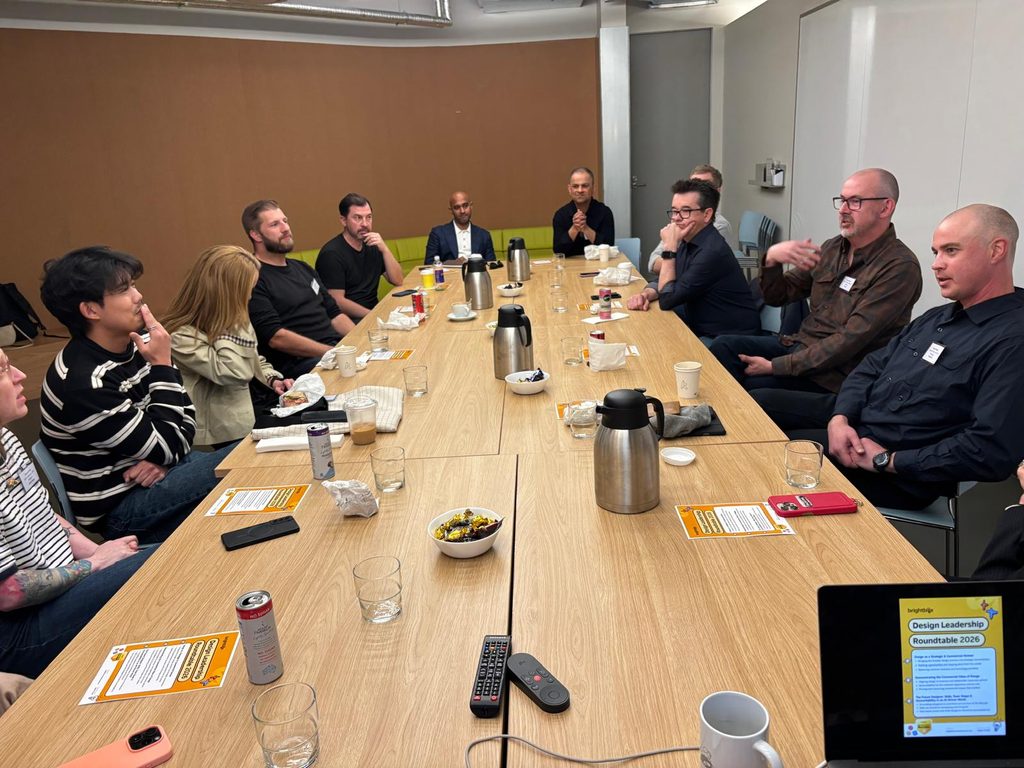
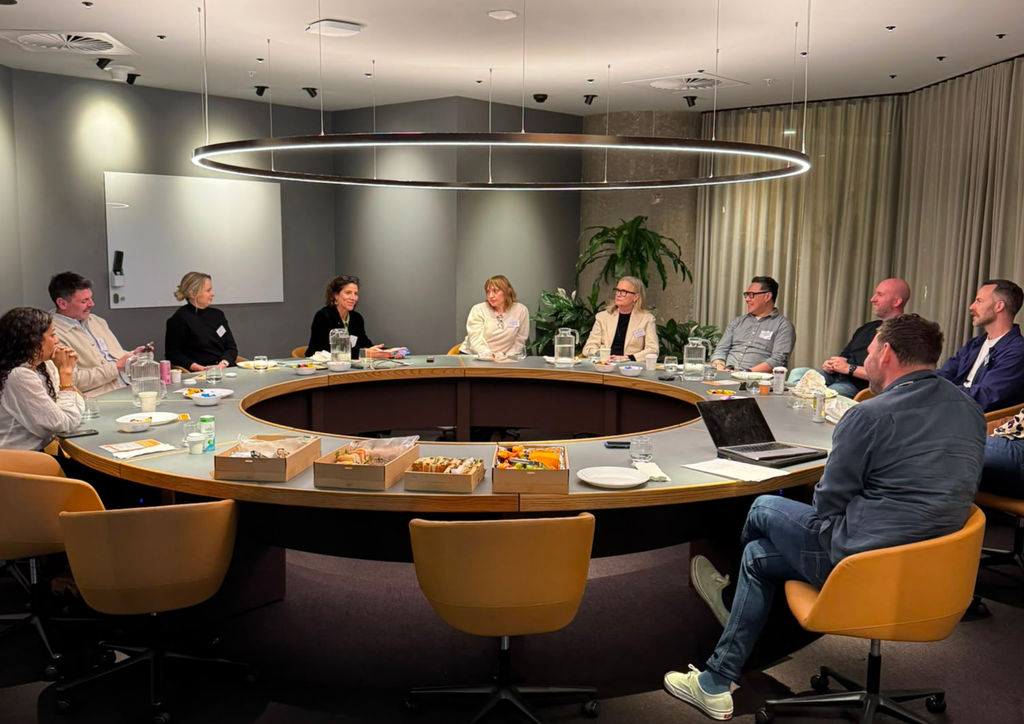
In times of rapid change and market uncertainty, leading product and technology teams is more challenging and more important than ever. Recently, we gathered senior Product Management leaders from diverse industries and companies for an honest, off-the-record round table to share how they are navigating these challenges.
No rehearsed speeches, just raw conversations on three pressing topics: motivating teams amid restricted growth opportunities, embracing AI tools like large language models, and managing burnout as change accelerates. What follows is a closer look at these themes’ real insights from leaders steering their teams through complexity with resilience and heart.
1. Motivating Teams Without Traditional Rewards
With market instability impacting budgets, promotions, and bonuses, leaders face a tough question: how to keep teams motivated when financial rewards are limited?
The consensus was clear: leaders must get creative and intentional about motivation beyond pay. Many are doubling down on transparent communication around the company’s situation, openly acknowledging uncertainty while emphasising each person’s role in a shared mission.
One leader described shifting the conversation from “what you get” to “why your work matters,” connecting daily tasks to larger company goals and impact. This helps counter feelings of stagnation and fuels intrinsic motivation.
Leaders are also exploring other forms of recognition and growth, such as skill development, cross-team projects, and informal leadership opportunities, that don’t rely on traditional promotion paths but still build engagement and pride.
“We don’t pretend growth or bonuses aren’t important,” one leader said, “but right now, it’s about showing people they’re valued and trusted, and that their work moves the needle even in tough times.”
The round table underscored that motivation is deeply personal. Some respond to new challenges, others to mentorship or autonomy. Leaders are listening more carefully, adapting their approaches, and investing time in one-on-one meetings to stay attuned to the pulse.
2. Harnessing AI: The Reality Behind the Hype
Artificial intelligence, particularly large language models (LLMs), was a hot topic. The buzz around AI can feel overwhelming, from automating workflows to generating content, but leaders emphasised the importance of separating hype from practical application.
Teams are experimenting cautiously. Some run pilot projects to explore AI’s potential in speeding up routine tasks or aiding ideation, while others train “AI champions” who help spread knowledge and responsible use across departments.
Crucially, leaders emphasised that AI should augment human creativity and judgment, rather than replace it. The goal is to free people from repetitive work, allowing them to focus on strategic, high-value activities.
“AI tools are exciting, but they’re not a silver bullet. They require thoughtful adoption, good training, and cultural change. It’s a marathon, not a sprint.”
There was also conversation around psychological safety: teams need space to experiment without fear of mistakes as they integrate new technologies. Leaders are mindful of balancing innovation with careful oversight, ensuring AI helps teams work smarter without adding new stress.
3. Managing Burnout in a World of Constant Change
The most heartfelt discussion was about managing burnout amid ongoing uncertainty, shifting priorities, and high expectations.
Leaders shared that burnout often creeps in quietly, late-night emails, people overcommitting, and subtle disengagement. The challenge is creating an environment where team members feel safe speaking up about their stress and workload.
Several companies are adopting rituals like “weekly wellness check-ins” or pulse surveys to gauge morale and energy. Others have introduced “no meeting” blocks or encouraged strict boundaries around after-hours communication.
Importantly, leadership itself models healthy behaviours, like avoiding weekend emails, to set expectations and signal that well-being matters.
“Burnout isn’t just an individual problem; it’s systemic. We’re working on killing overwork, not just managing symptoms.”
Psychological safety emerged as a cornerstone. When people trust their leaders and teammates enough to admit to feeling overwhelmed, teams can redistribute work, adjust priorities, and support one another, making resilience a collective effort.
Bringing It All Together
These conversations paint a vivid picture of leadership in today’s turbulent landscape, a mix of honesty, adaptability, and empathy.
Motivating teams without traditional rewards means shifting the focus to purpose and recognition. Embracing AI requires striking a balance between excitement and caution, blending technology with human insight. And managing burnout demands creating cultures where psychological safety and wellbeing are prioritised alongside delivery.
Our leaders left the round table with a shared sense of purpose: that by leading with clarity, compassion, and courage, they can help their teams not only survive but also thrive through change.
Join Us Next Time
If you lead product or tech teams and want to join these candid, practical conversations, get in touch. Sharing experiences and strategies builds stronger, more resilient leaders and ultimately, better products.
Together, we can navigate uncertainty with confidence and humanity.