Unpacking ROI, Scaling, and much much more…

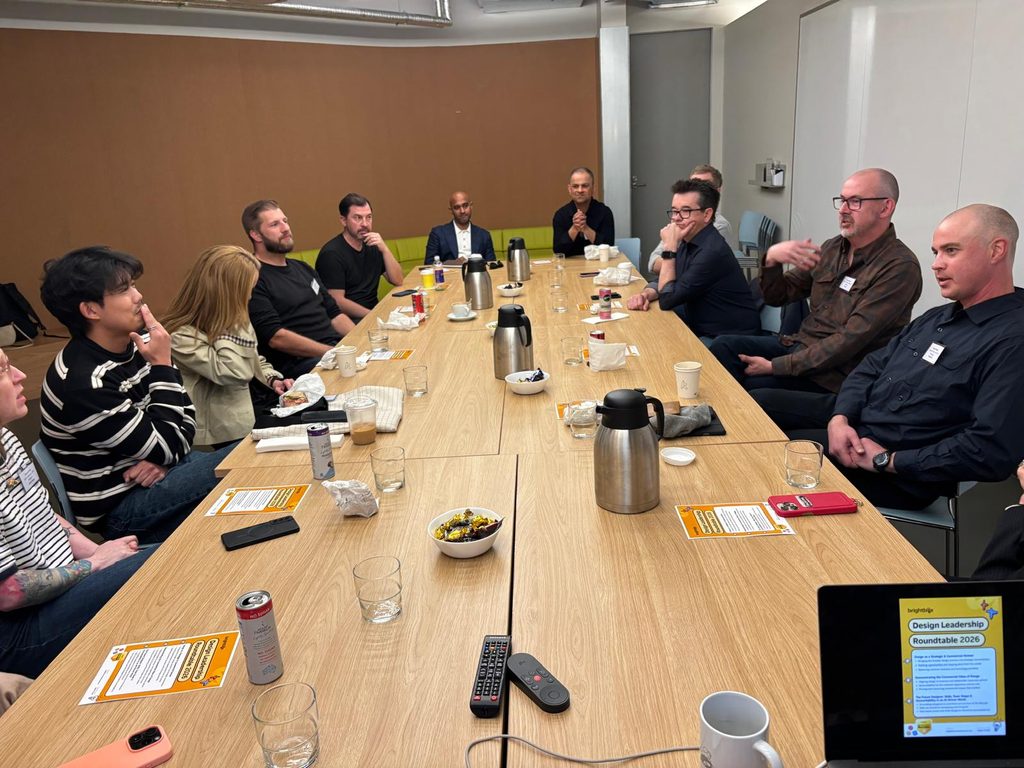
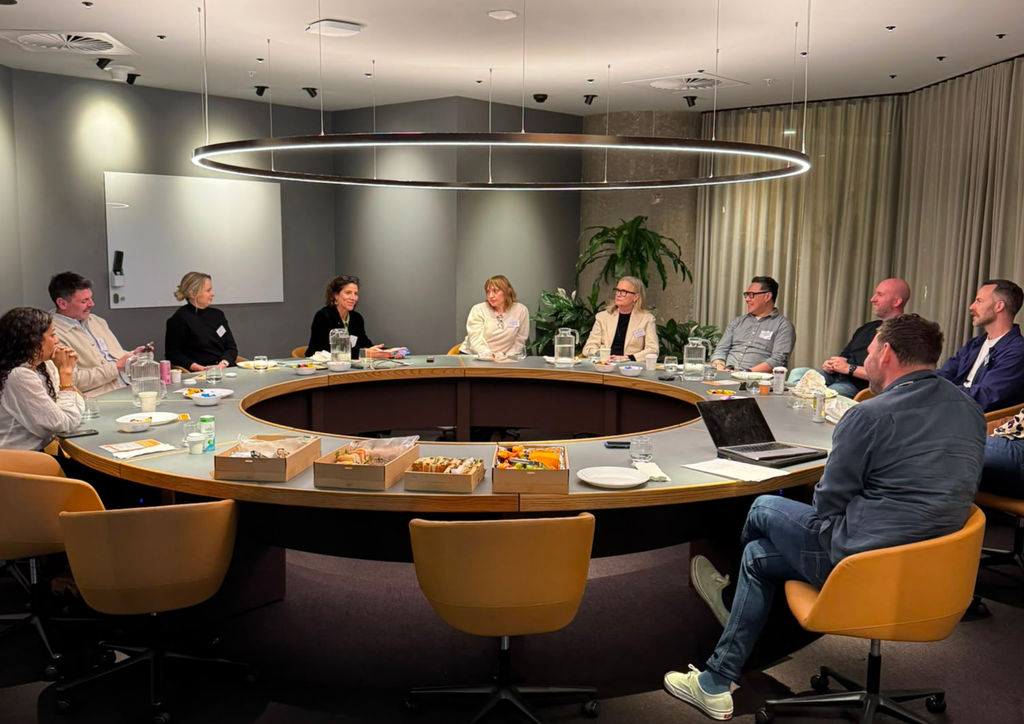
What happens when you gather some of Sydney’s top design leaders in one room? An authentic, deeply insightful, and often unfiltered conversation about the real challenges and philosophies shaping today’s design landscape.
Here are some key takeaways from the conversation:
1. Communicating Design’s ROI and Strategic Value
Design leaders are constantly tasked with justifying the value of their teams not just in aesthetics, but in business terms. One powerful insight came early was that you don’t need to invent “design metrics.” The ROI of design should be baked into the existing product or business metrics.
Design can be measured in customer conversions, design & engineering efficiencies and de-risking decision making. No matter what you’re using to measure designs impact, the group agreed that storytelling, outcome-focused communication, and understanding stakeholder motivations are key. Whether it’s reducing churn, increasing conversion, or avoiding costly missteps, tying design work directly to business metrics creates buy-in.
But a word of caution echoed in the room: Don’t overpromise. Overstating the impact of a design change without the data to back it can erode trust fast. Design often works in increments, instead of setting expectations sky-high, focus on making consistent, compound impact over time.
Bottom Line: Tie design impacts to business metrics, use storytelling to build trust and stay grounded in evidence, not hype.
2. Scaling Design with Limited Resources
How do you scale design when budgets are tight and teams are lean?
Many leaders are embracing strategic prioritisation placing a few designers in high-impact portfolios rather than spreading thin across the organisation.
This approach allows under-resourced teams to build credibility where it matters most, creating a ripple effect of demand across the org. In some cases, business units that initially went without design started lobbying for their own designer, once they saw the value delivered elsewhere.
When you can’t put a designer everywhere, the next best thing is building design literacy across the organisation. Several leaders are training product managers, engineers, and business stakeholders in the fundamentals of user centred design, equipping them to ask better questions, spot red flags early, and advocate for user needs even without a designer present.
Others leverage design systems to create scale and consistency. Design systems are there to help scale, but there was caution in the room to ensure it didn’t become a crutch that killed creativity and stifle innovation.
Bottom line: Scaling with limited resources isn’t about doing more with less it’s about doing what matters most, better.
3. Emerging Tech and AI: Disruption or Enhancement?
It’s no surprise that AI and emerging tech was a topic of discussion at the round table and there were varying experiences of it’s usage and utility among the group.
- AI as a force multiplier: it was clear that many leaders are encouraging their designers to utilise AI to accelerate their workflows. The tools aren’t replacing human creativity but when used effectively they are amplifying speed and execution.
- Designing with AI: some of the group aren’t just using AI to support design work but are instead integrating them into their products to optimise customer facing experiences. With this of course requires ethical considerations when exploring the extent of AI’s capabilities.
It was clear among the group that AI isn’t a silver bullet, it’s a tool and like any tool it’s only as good as the craft person using it and the context it’s applied to.
Bottom line: Most teams are taking a pragmatic, experimental approach to AI. Starting small, setting clear boundaries, building internal champions and focusing on the value not novelty.
4. Experience vs Evidence
A controversial topic throughout the round table was the role of research. Some in the group suggested diminishing returns of over researching and the frustration with bloated research processes that slow momentum and repeat known insights.
In fast-paced environments, a leaner, more experimental approach is becoming the norm. While everyone agreed foundational research matters, especially when building something new or complex, an experimental approach seemed most celebrated in today’s climate.
Additionally, several leaders emphasised the importance of intuition in design, especially when data is limited or user access is restricted. Yet, the group also acknowledged the tension between empowering senior designers to follow their instincts and coaching juniors who haven’t yet developed that sixth sense. The key? Safe space to experiment, fail, and learn.
Bottom line: Design is both a science and an art. While evidence builds confidence, it’s experience that builds instinct. The best leaders know when to lean on research and when to trust the quiet voice that says, “we’ve been here before.”
Reach out to the Brightbox team if you want to attend one of those amazing events.