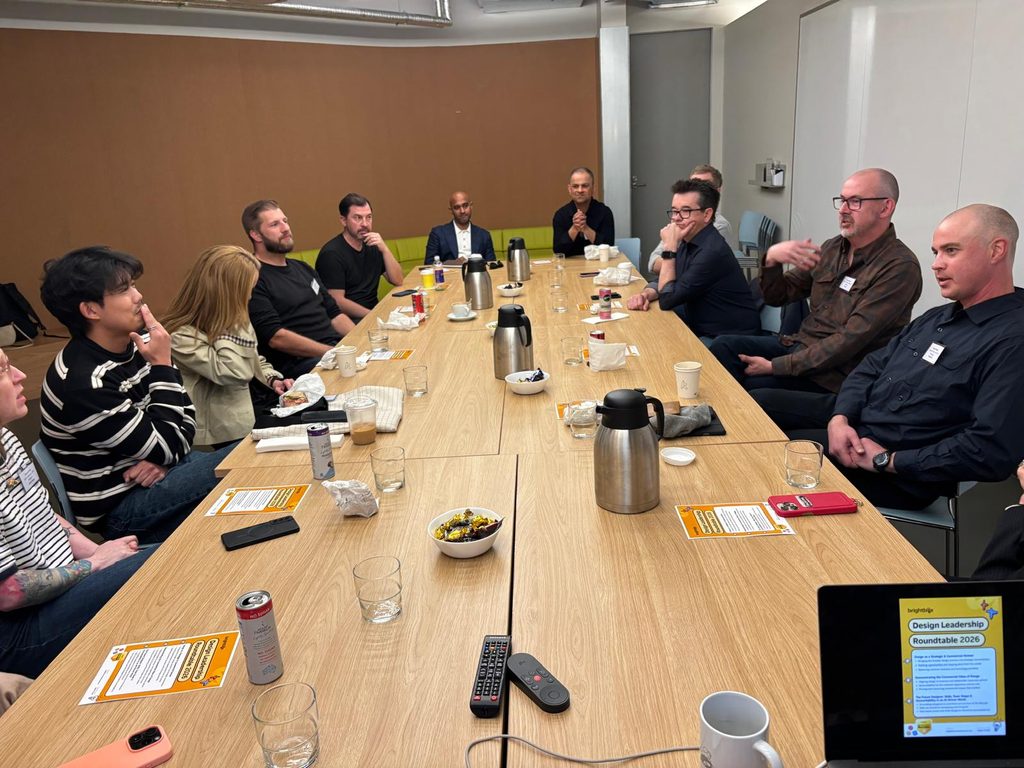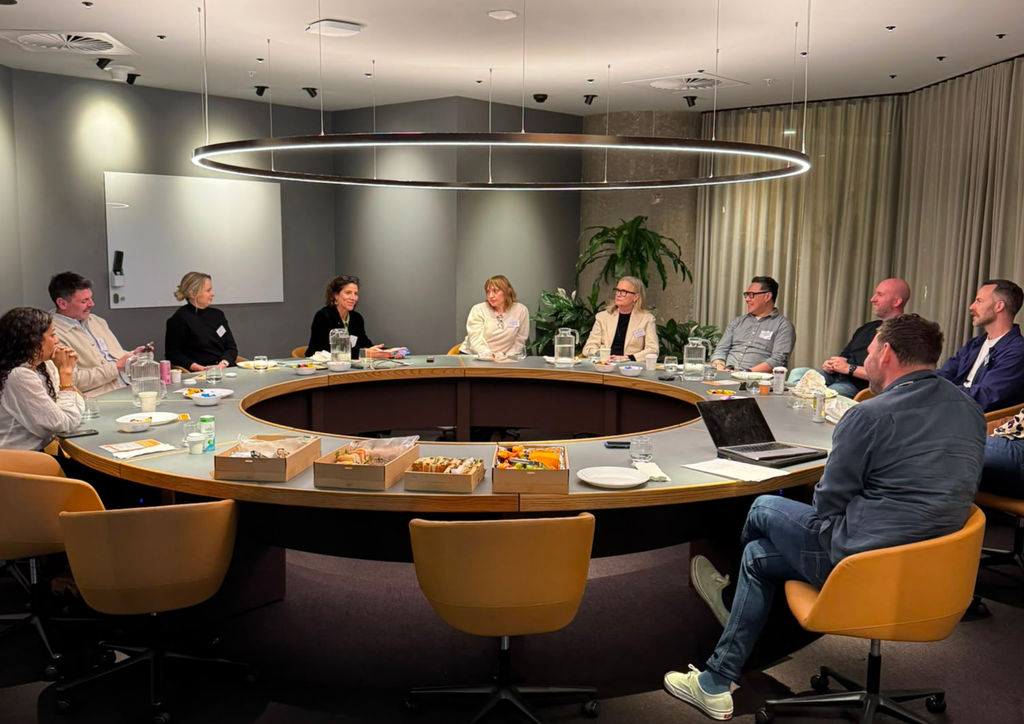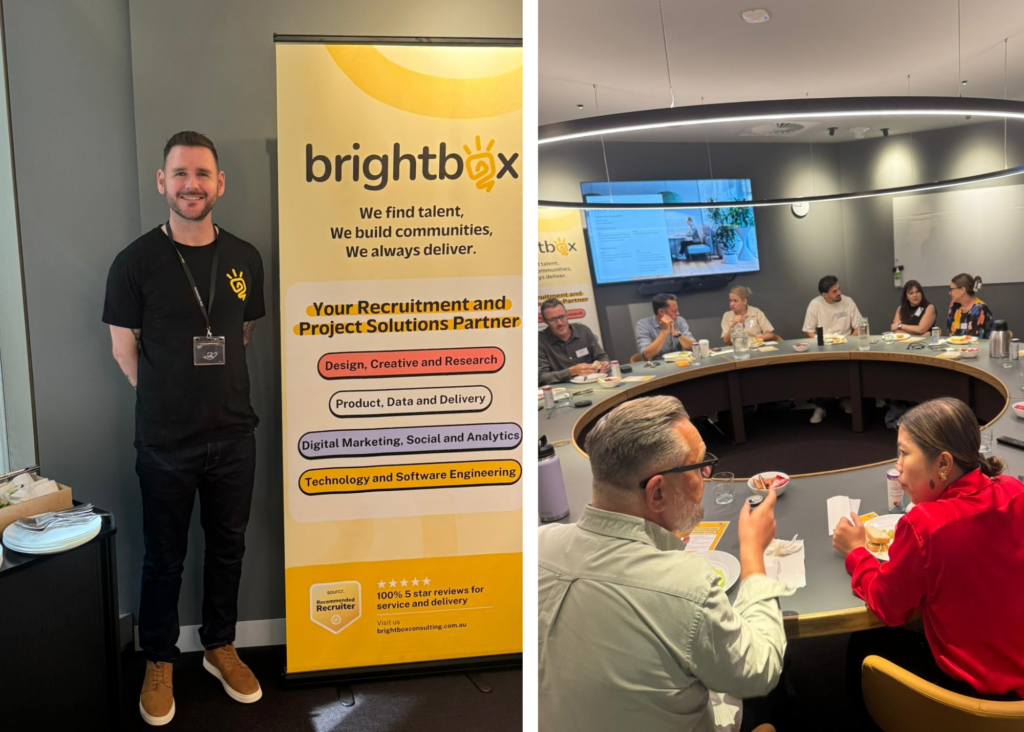
Last week, we ran a design leadership roundtable.
Small group, mix of in-house and agency leaders across fintech, health, media, SaaS and consulting.
Two topics on the table:
– AI and the evolution of design,
– and influence vs authority in design leadership.
What was interesting was how quickly the conversation moved past the surface-level stuff.
No one is asking “Is AI coming?” anymore.
That question feels settled.
What’s less settled is what to actually do with it, how to pace it, and how to do it well inside organisations that are still figuring it out.
A few things stood out on the AI side.
Prototyping came up as probably the clearest win right now.
Not just faster prototyping, but getting closer to something that feels real much earlier in the process, which feeds into better user testing, better feedback and better decisions overall.
Research synthesis was another consistent theme, with people using it to condense the more intensive analytical work, though no one yet fully trusts the output.
Everything still gets checked.
There was also a really honest conversation about productivity.
In theory, AI should be making teams faster and more efficient.
In practice, it’s messier than that.
Learning curves, output validation, and rework all factor in, and the efficiency gains are real in some areas while still a work in progress in others.
Governance came up too, particularly in more regulated environments where the appetite for AI is strong but approval processes move slowly. Capability is outpacing adoption, and that gap is one many teams are navigating right now.
The influence conversation was just as interesting.
Most design leaders don’t own the final decision, so a large part of the role becomes influencing outcomes you don’t directly control.
What kept coming back in the discussion was the importance of evidence. Not “this is good UX,” but what problem does it solve, what happens if we don’t address it, and what does it mean for the business?
Design tends to lose influence when it speaks only in design language, and gains it when the work connects to outcomes the rest of the organisation cares about.
There was also a thoughtful counterpoint about craft.
The idea that design has spent a lot of time trying to earn its seat at the table by speaking everyone else’s language, and that in doing so, it may have diluted some of what makes it genuinely valuable.
The overarching feeling coming out of it all.
AI is accelerating execution, but the value is shifting toward judgment, context and influence.
For design, the risk isn’t replacement. It’s becoming too focused on output and losing a strategic voice in the process. The opportunity is to lean into the things that aren’t easily automated: connecting dots, shaping decisions, understanding people and driving outcomes.
Thanks to everyone who came and contributed.
These conversations are always better because of the people in the room