Designing for a product that can be wrong: the rise of the AI UX designer

One job ad sums up where this role has gone. Toast advertised for a Conversational AI UX Designer, and the brief covers prompt and context engineering, designing for probabilistic outputs, model uncertainty and graceful failure states. In other words, it’s a design brief for a product that will sometimes get things wrong.

Toast’s ad fits a wider pattern. In Autodesk’s 2026 AI Jobs Report, AI UX Designer was the fastest-growing AI title at 145%, ahead of AI Content Designer at 70% and AI Systems Designer at 62%. Design skills also ranked highest as the most in-demand skill for AI roles.

The job is designing behaviour

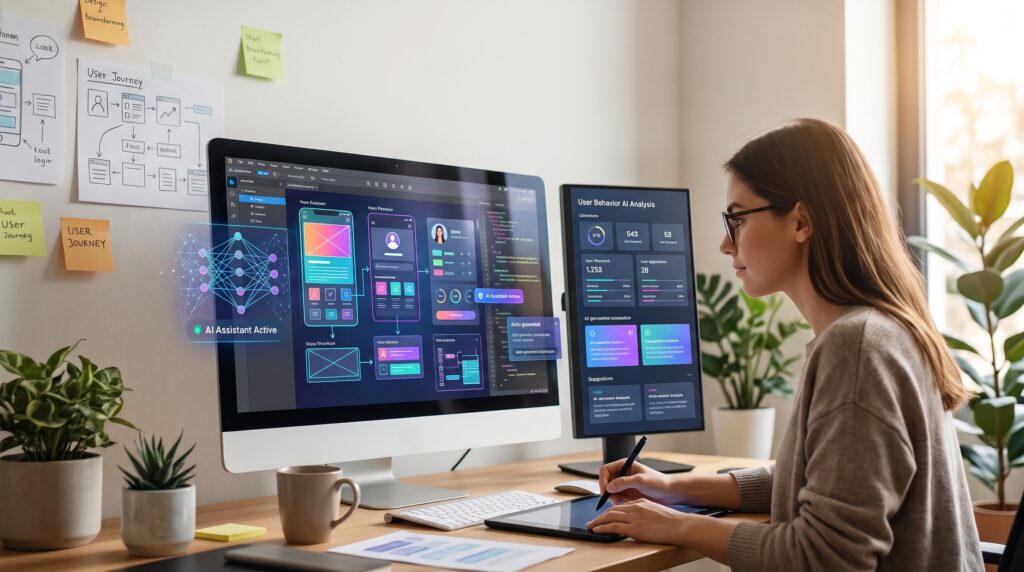
A product designer shapes screens and flows. An AI UX designer shapes those too, plus what the product does when it’s unsure, how it explains itself and how a person corrects it. On a CV the two can look almost identical. The difference usually shows in whether someone has shipped an AI feature to real users and seen what happened next.

More of a mid-level hire than you might expect

In Navii’s 30-day snapshot, AI Product and UX Designer roles reached 1,064 postings, and 79% were open at mid-level. That’s worth knowing before a brief defaults to “senior”, because the experience that counts is quite specific and can sit with someone four to eight years into their career.

The quality bar is holding

Better tools have kept expectations where they were. In Designer Fund’s AI in Design 2026 research, only 5% of design leaders said they’re placing less emphasis on execution quality. Taste and judgment still decide the hire.

Where I’d start

If I were writing a design brief this month, these are the three places I’d start.

  1. The AI work, named in the brief. Saying what the AI does in your product and where a person steps in helps candidates see whether they’ve done it.
  2. One shipped AI feature. Asking a candidate to walk you through one, and what changed once people used it, tends to separate experience from interest.
  3. Mid-level profiles alongside senior ones. That’s where most of the market for this role sits.

Ready to talk about your next design hire? Get in touch

Top 10 market signals - across design, marketing, product & engineering

Ordered by relevance to Australian hiring. 

1. Unemployment is at a near five-year high. The ABS put the rate at 4.7% in September, with 732,000 people unemployed, the highest in nearly five years. Youth unemployment rose to 11.1%.

2. Tech job ads are easing while the wider market grows. The ANZ-Indeed Job Ads index rose 7.8% year on year in August. Indeed noted software development, data and analytics roles fell modestly in recent months.

3. The non-compete ban has a draft bill. The exposure draft would ban non-competes for employees earning under $190,100. It also bans co-worker non-solicitation clauses for every employee, regardless of income.

4. It could reach existing contracts. The draft commences on the first quarter-date after Royal Assent, and the new rights apply to terms in existing employment arrangements from that point.

5. Counteroffers keep people for a while. 85% of Australian employers made a counteroffer in the past year, according to Robert Half. Nearly a third of those employees still left within 12 months.

6. More people are open to moving. Gartner found 34% of Australian employees intended to stay with their employer in Q2 2026, down from 38.1% in Q4 2025.

7. Entry-level digital advertising roles have almost gone. IAB Australia’s 2026 Talent Review found entry-level roles at 1% of vacancies, with 49% of open roles needing more than six years’ experience.

8. Most tech jobs sit outside tech companies. The Tech Council of Australia counts 553,000 indirect tech jobs against 424,000 direct ones.

9. Expectations are rising faster than policy. 73% of designers feel expectations rising, yet only 28% of design leaders say their companies have formally updated evaluation, pay or hiring.

10. Candidate fraud is a planning issue. Gartner predicts deepfakes could make up 25% of global job applicants by 2028.

About Brightbox Consulting

Brightbox Consulting is a specialist recruitment partner working across AI, Data and Emerging Tech, Product and Delivery, Design and Creative, Digital Marketing, and Engineering. 

We hold a 100% five-star rating on Google and a 100% client return rate. Our clients include Qantas, Telstra, Macquarie, Bupa, Vodafone, and WooliesX, as well as a long list of scale-ups and high-growth businesses across Australia.


Sorry to gloat, but…
We have 100% 5-Star Reviews

Committed to Building Communities

At Brightbox, we are passionate about building communities and bringing people together. Our Roundtables are an opportunity for leaders in Technology, Marketing, Product, and Design to connect, collaborate, and inspire growth.

What’s involved:

  • Expert-Led Discussions: Passionate industry leaders sharing insights on the latest trends and challenges.
  • Collaborative Problem-Solving: Interactive sessions focused on tackling real-world issues together.
  • Networking Opportunities: A chance to connect with peers and expand your professional network.
  • Exclusive Insights: Access to innovative strategies and ideas from top professionals.

To join our next roundtable event, check out our next upcoming event.

Past Round Table Events

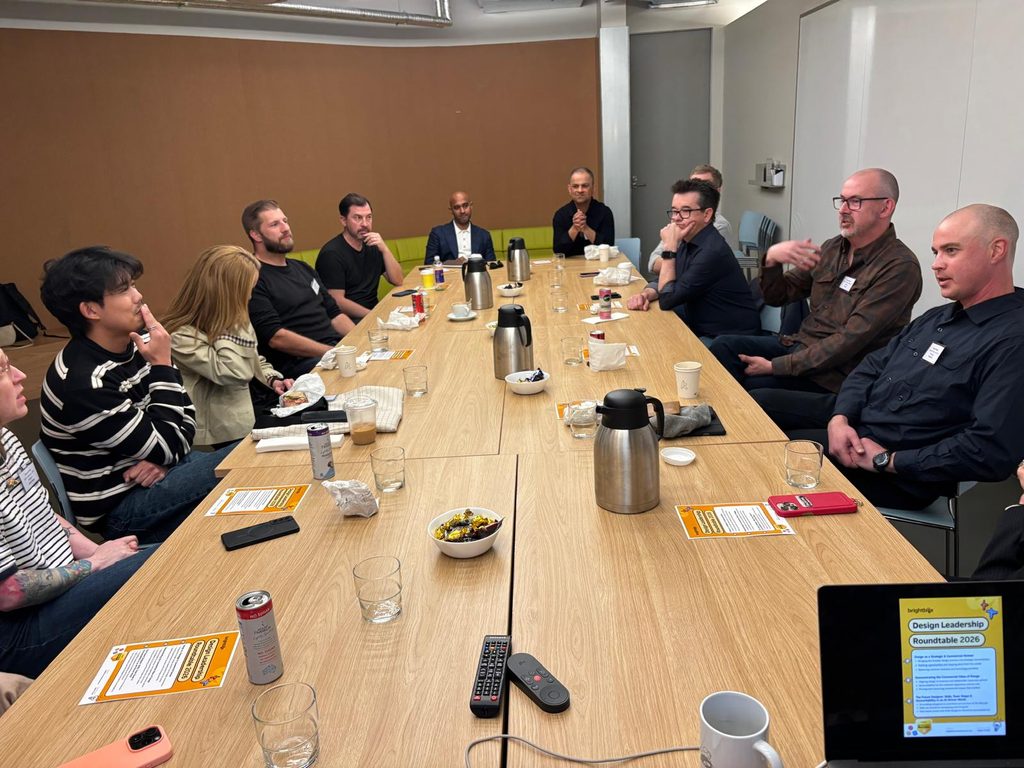
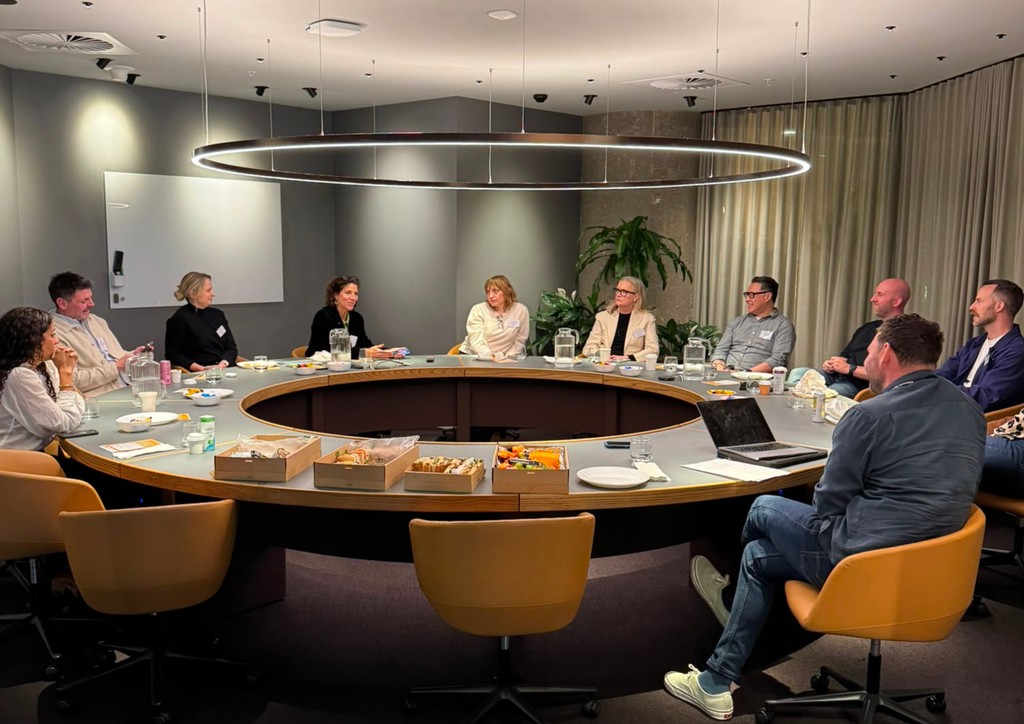
Our Leadership Round Table events unite leaders from Design, Product, Marketing, and Technology to share insights, tackle industry challenges, and collaborate on solutions. These intimate gatherings offer a safe space for open dialogue, fostering actionable ideas, fresh perspectives, and a stronger sense of community.

Request a copy of our
2026 Salary Guide

The 2026 Brightbox Salary Guide covers salaries, market trends, what motivates people to move, and what keeps them from leaving across design, product, data, digital marketing, and engineering.

More insights