AI can make design faster. Strong foundations decide if that is a good thing.

Every conversation I have about AI and design starts the same way, with someone asking which tool to buy or which workflow to change. It rarely stays there for long.

The more interesting conversation is not about tools at all. It is about judgement, and whether an organisation has enough of it to make speed worth having.

I think that is the right question to be asking, and it is not the one most hiring managers are currently asking about AI.

Before you approve any AI tool for your design team, it is worth checking one thing first: how early design already gets pulled into decisions on a typical project. That single check tells you more about what AI will do for you than any feature comparison.

What AI speeds up in design work

To be fair to the tools, the speed is real. AI can compress hours of research synthesis, exploration and production into a fraction of the time they used to take.

A designer can move from a raw set of interview transcripts to a structured set of themes far faster than before. A team can generate a wider spread of prototype directions in a fraction of the time a manual process used to take.

None of that is an exaggeration of what the tools can now do.

But speed only creates value if the team was solving the right problem before the acceleration started. If the brief was wrong, or the research question was poorly framed, AI does not correct that.

It produces the wrong answer faster, with more polish, and with more apparent confidence than a slower, more manual process would have.

That is the turn in the conversation that matters for a hiring manager. Speed is not the same thing as progress, and it is worth being honest with yourself about which one you are buying when you invest in AI-accelerated design work.

The problems AI did not create

Here is what struck me most from these conversations. The challenges organisations tend to associate with AI were, almost without exception, problems that already existed before AI arrived.

Poor knowledge sharing between research, design and delivery was already a source of wasted effort. Weak handoffs between teams were already causing rework and confusion about who owned a decision.

Design getting brought into a project after the important calls were locked in was already limiting what design could change. Teams already had a habit of moving on to the next project without measuring whether the last thing they shipped worked.

AI did not create any of these problems. What it does is amplify whichever version of them already exists inside an organisation, because it removes the natural pauses in a slower process that used to force a team to stop and check its own work.

Two different outcomes from the same tools

This is why the same AI tools produce such different results in different organisations, and why it has little to do with how skilled the design team is at using them.

An organisation with strong foundations, meaning design is brought in early, handoffs are documented, knowledge moves between teams, and outcomes get measured after launch, gets a real multiplier from AI. Research moves faster, exploration widens, and the team ships more of the right things sooner.

An organisation without those foundations gets a different result from the same tools. It becomes significantly faster at producing the wrong things, with more confidence behind each wrong decision than a slower process would ever have allowed.

For a hiring manager, this means AI fluency in a design team or agency is not the first thing worth checking. It is a multiplier on whatever is already there, for better or worse, so the condition of the foundation matters more than the tool sitting on top of it.

Before you invest in AI tooling, or push an existing design team to move faster with it, take an honest look at a current or recent project against four questions:

  • When was design brought into the project, relative to when the important decisions were locked in?
  • Was the handoff between research and design, or between design and delivery, written down anywhere a new team member could follow it?
  • Does the team have a working habit of sharing what it learns with product and engineering, or does that knowledge stay inside the design team?
  • Once the last thing shipped, did anyone go back and measure whether it worked?

If the answer to more than one of those is no, fix that before you layer AI-driven speed on top of it. Otherwise, you are not buying a faster design function; you are buying a faster way to produce the same problems you already have.

Ready to talk about your next design hire? Get in touch.

Liam

Design, Creative & Research Recruitment

Last updated: September 2026

Top 10 market signals - across design, marketing, product & engineering

1. Fewer jobs, more applicants than ever

SEEK’s latest Employment Report has national job ads down 6.0% on last year, and more applications per ad than it has ever recorded. (Source: SEEK Employment Report)

2. Unemployment has risen to 4.5%

The latest ABS Labour Force figures show 15,800 fewer people in work than the month before. (Source: ABS Labour Force, Australia)

3. More than twice as many companies are hiring senior designers as junior

Figma’s 2026 State of the Designer survey found 56% of companies are hiring senior designers, against 25% hiring junior ones. (Source: Figma, 2026 State of the Designer survey)

4. AI is hitting junior office roles, not overall hiring

Australian recruitment data shows AI is reducing demand for junior and mid-level office roles, while overall hiring holds steady. (Source: Australian Recruitment Market 2026: SIA Data Analysis, The Access Group)

5. Tech leaders plan to hire again

78% of tech leaders plan to add permanent staff in the second half of 2026, up from 61% earlier in the year. (Source: Robert Half, via Full Scale’s 2026 developer hiring trends analysis)

6. Ads for generalist engineers have almost halved

Ads for generalist software engineers are down 49% since their 2022 peak. Senior engineers with AI plus cloud or security skills are being hired in a median of 17 days. (Source: engineering hiring market deep dive, 2026, cadence.withremote.ai)

7. More product jobs, still hard to fill

Product manager job ads were up 14% on the year in May 2026, and companies still say hiring is unusually hard. AI-focused roles now make up 8 to 10% of open PM jobs worldwide. (Sources: Userpilot PM trends 2026, research.com)

8. Design offers are taking longer

A design role now takes a median of 68.5 days to reach an offer, 22% longer than last year. Junior design ads are drawing hundreds of applicants each. (Source: Authentic Jobs 2026 hiring guide)

9. Marketers are hired for thinking first, tools second

Problem-solving and critical thinking now top the list of what employers want in marketers, at 66%, ahead of technical skills. (Source: 3Search Group, “The most in-demand marketing skills for 2026”, UK data)

10. Marketers who use AI well earn more

Marketers who can show they use AI tools well earn 15 to 22% more than those who can’t, across every type of role. (Source: Digital Marketing Salary Guide 2026, digitalapplied.com, US data)

By Liam Pietzka | CEO/Founder, Brightbox Consulting

We’ll be back with more market signals next month. In the meantime, if any of these match what you’re seeing and you’re planning a hire this quarter, book a salary briefing or get in touch with the team.

Jump back into the Brightbox news

Design, Creative & Research →

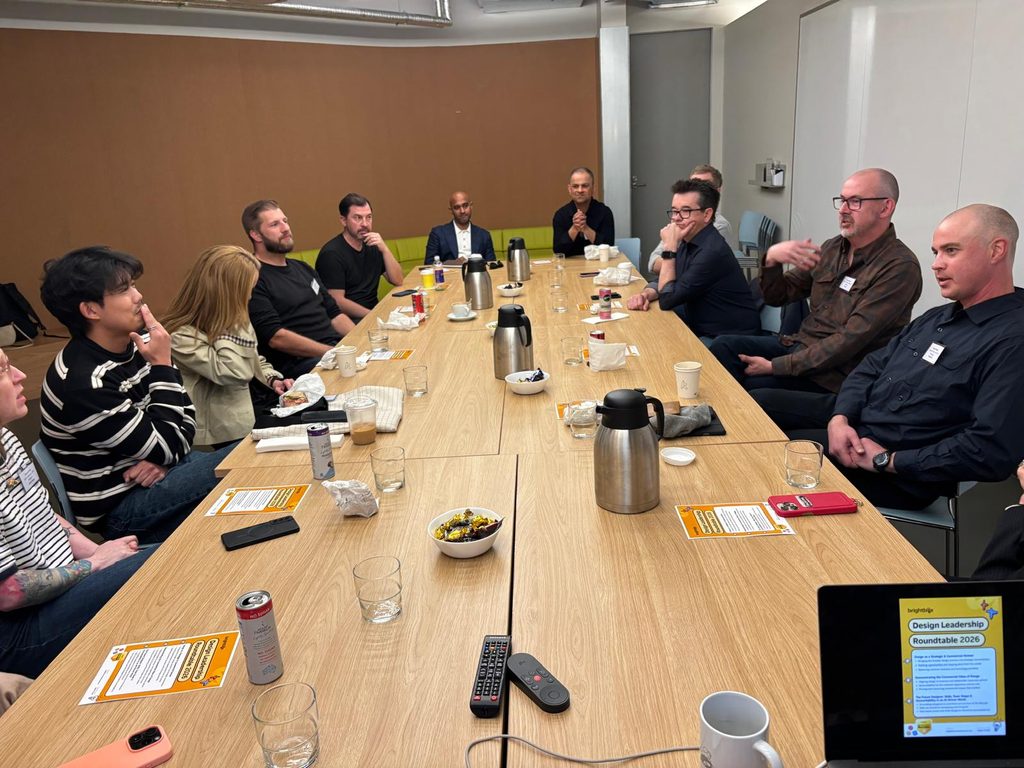
Liam recently brought together a room of senior Design, Research, CX and Product leaders in Melbourne. The themes all point back to a question I hear from Design leaders most weeks: what is the role of a designer when designing is open to everyone?

If you’ve got a design hire coming up, the themes on judgement, technical fluency and junior pathways are worth reading before you write the brief.

Product, Data & Delivery →

He gave an honest answer, and the panel wasn’t impressed. But the problem was the question, not the answer. Katie explains what to ask a Head of Product instead, and what a strong answer sounds like.

Digital Marketing, Social & Analytics →

ADMA asked more than 1,000 Australian marketers about AI. 75% use it every week, but only 29% have been trained to use it. Lilian has one interview question that shows who uses it well, and a strong answer is more specific than you’d expect.

The marketers getting attention now are the ones who can connect acquisition, retention, and commercial outcomes without a team of specialists around them.

Engineering & Technology →

PwC found Australian job ads asking for AI skills doubled in a year, from 20,000 to 41,000. The same report says technical skill alone doesn’t win senior roles anymore, and it matches what engineering leaders tell me when they brief a hire.

About Brightbox Consulting

Brightbox Consulting is a specialist recruitment partner working across AI, Data and Emerging Tech, Product and Delivery, Design and Creative, Digital Marketing, and Engineering. 

We hold a 100% five-star rating on Google and a 100% client return rate. Our clients include Qantas, Telstra, Macquarie, Bupa, Vodafone, and WooliesX, as well as a long list of scale-ups and high-growth businesses across Australia.


Sorry to gloat, but…
We have 100% 5-Star Reviews

Committed to Building Communities

At Brightbox, we are passionate about building communities and bringing people together. Our Roundtables are an opportunity for leaders in Technology, Marketing, Product, and Design to connect, collaborate, and inspire growth.

What’s involved:

  • Expert-Led Discussions: Passionate industry leaders sharing insights on the latest trends and challenges.
  • Collaborative Problem-Solving: Interactive sessions focused on tackling real-world issues together.
  • Networking Opportunities: A chance to connect with peers and expand your professional network.
  • Exclusive Insights: Access to innovative strategies and ideas from top professionals.

To join our next roundtable event, check out our next upcoming event.

Past Round Table Events

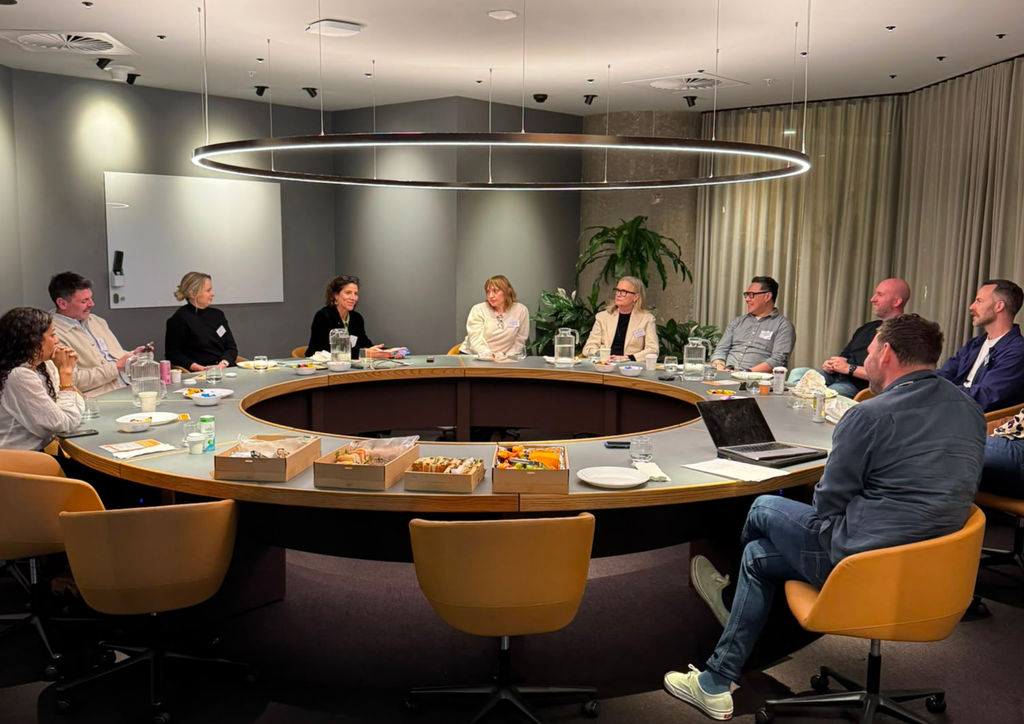
Our Leadership Round Table events unite leaders from Design, Product, Marketing, and Technology to share insights, tackle industry challenges, and collaborate on solutions. These intimate gatherings offer a safe space for open dialogue, fostering actionable ideas, fresh perspectives, and a stronger sense of community.

Request a copy of our
2026 Salary Guide

The 2026 Brightbox Salary Guide covers salaries, market trends, what motivates people to move, and what keeps them from leaving across design, product, data, digital marketing, and engineering.

More insights