The repetitive work junior designers are losing was how they learned judgment

One of the biggest questions raised at our recent Round Table was about apprenticeship, and what happens to it once AI takes over the parts of design work that used to feel like the boring bits.

Transcript analysis, synthesis, exploration, repetitive production: none of it looked like the interesting part of the job. It looked like the part you got through before the real thinking started.

The uncomfortable question the room sat with is whether that “boring” work was the training ground where judgement got built. The follow-on question is what happens to the next generation of designers if it disappears before they have had a chance to learn from it.

What AI has removed from junior design work

Think about what those tasks involved.

Reading through hours of interview transcripts to pull out themes, and sitting with a research finding long enough to see the pattern underneath it, was one part of the job. Producing version after version of a screen or a flow until one of them finally felt right was another.

None of that was throughput for its own sake. Each pass was a small decision: is this the right theme, does this pattern hold up, does this version solve the problem better than the last one.

A designer who did that work hundreds of times over a few years was building more than output. They were building a private library of small calls, most of them wrong at first, that eventually turned into instinct.

AI can now do the transcript analysis, the synthesis, the exploration and a good share of the production in a fraction of the time. That is a real gain for anyone who already has the instinct to check the output against.

It is a different story for anyone who does not have that instinct yet, because the removal of the work also removes the place where that instinct used to get built.

Why seniors move fast with AI and juniors cannot yet

Here is the pattern I keep seeing. Senior designers can pick up AI tools and accelerate almost immediately, because they already carry years of prior experience telling them when an answer does not feel right.

They can look at an AI-generated set of themes, or a first-pass prototype, and know within seconds whether it holds up. That judgement did not come from nowhere.

It came from all the slower, more repetitive work they did earlier in their careers, the exact kind of work AI now removes.

A junior designer using the same tools does not have that internal check yet. They can produce a plausible-looking output as fast as a senior can, but they have no reliable way of knowing whether it is any good.

The tools have gotten faster than the people using them have had the chance to build the judgement that makes speed safe, and that gap will not close on its own as the tools keep improving.

Speed without judgement is not faster, it is a plausible-looking answer arriving sooner, with no one yet able to tell whether it holds up.

That is exactly why it is worth being deliberate about what junior designers still do without AI, so the next generation gets to build the same instinct experienced designers already carry, rather than skipping past the work that used to teach it.

How to protect junior judgement while using AI

This is where it stops being a philosophical question about the future of design and becomes a decision you are already making, whether you have noticed it or not.

Every time you approve a leaner team, or decide a junior hire is not needed because AI covers that now, you are making a bet.

The same goes for letting a junior work independently with AI tools from their first week: you are betting on where the next generation of senior judgement is going to come from.

If juniors spend their early years directing AI output rather than sitting inside the slower work that used to build instinct, that instinct has to come from somewhere else. It is worth being honest that nobody has a proven answer for where yet.

The practical response is to be deliberate about what juniors are still exposed to, so the tools speed up their output without skipping the part of the job that used to build their judgement.

Keep some unassisted, judgement-testing work in junior design briefs, and ask a junior to make a call on a research theme or a design direction before they check it against AI output.

Build in review moments where a junior has to explain why an answer is right or wrong, instead of presenting the output alone. That single habit, repeated often enough, does some of the same work the old repetitive tasks used to do.

None of this slows the team down in any meaningful way. It makes sure the speed you are getting from AI today does not come at the cost of the judgement you will need from that same designer in five years.

Ready to talk about your next design hire? Get in touch.

Liam
Design, Creative & Research Recruitment
Last updated: September 2026

Top 10 market signals - across design, marketing, product & engineering

1. Fewer jobs, more applicants than ever

SEEK’s latest Employment Report has national job ads down 6.0% on last year, and more applications per ad than it has ever recorded. (Source: SEEK Employment Report)

2. Unemployment has risen to 4.5%

The latest ABS Labour Force figures show 15,800 fewer people in work than the month before. (Source: ABS Labour Force, Australia)

3. More than twice as many companies are hiring senior designers as junior

Figma’s 2026 State of the Designer survey found 56% of companies are hiring senior designers, against 25% hiring junior ones. (Source: Figma, 2026 State of the Designer survey)

4. AI is hitting junior office roles, not overall hiring

Australian recruitment data shows AI is reducing demand for junior and mid-level office roles, while overall hiring holds steady. (Source: Australian Recruitment Market 2026: SIA Data Analysis, The Access Group)

5. Tech leaders plan to hire again

78% of tech leaders plan to add permanent staff in the second half of 2026, up from 61% earlier in the year. (Source: Robert Half, via Full Scale’s 2026 developer hiring trends analysis)

6. Ads for generalist engineers have almost halved

Ads for generalist software engineers are down 49% since their 2022 peak. Senior engineers with AI plus cloud or security skills are being hired in a median of 17 days. (Source: engineering hiring market deep dive, 2026, cadence.withremote.ai)

7. More product jobs, still hard to fill

Product manager job ads were up 14% on the year in May 2026, and companies still say hiring is unusually hard. AI-focused roles now make up 8 to 10% of open PM jobs worldwide. (Sources: Userpilot PM trends 2026, research.com)

8. Design offers are taking longer

A design role now takes a median of 68.5 days to reach an offer, 22% longer than last year. Junior design ads are drawing hundreds of applicants each. (Source: Authentic Jobs 2026 hiring guide)

9. Marketers are hired for thinking first, tools second

Problem-solving and critical thinking now top the list of what employers want in marketers, at 66%, ahead of technical skills. (Source: 3Search Group, “The most in-demand marketing skills for 2026”, UK data)

10. Marketers who use AI well earn more

Marketers who can show they use AI tools well earn 15 to 22% more than those who can’t, across every type of role. (Source: Digital Marketing Salary Guide 2026, digitalapplied.com, US data)

By Liam Pietzka | CEO/Founder, Brightbox Consulting

We’ll be back with more market signals next month. In the meantime, if any of these match what you’re seeing and you’re planning a hire this quarter, book a salary briefing or get in touch with the team.

Jump back into the Brightbox news

Design, Creative & Research →

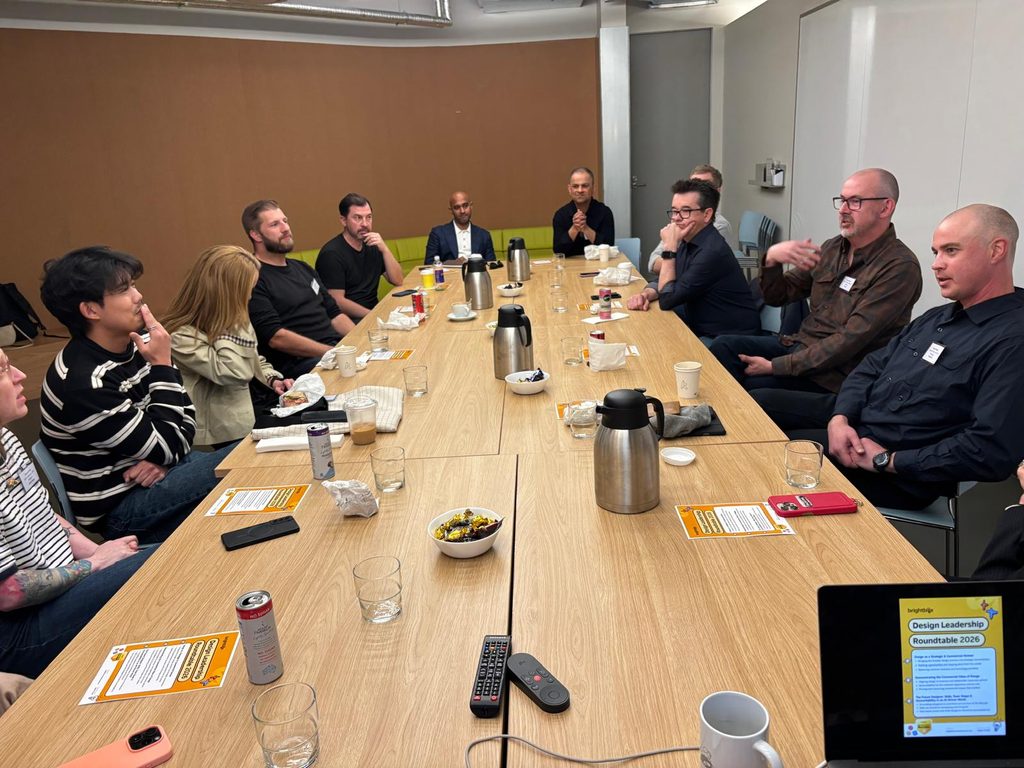
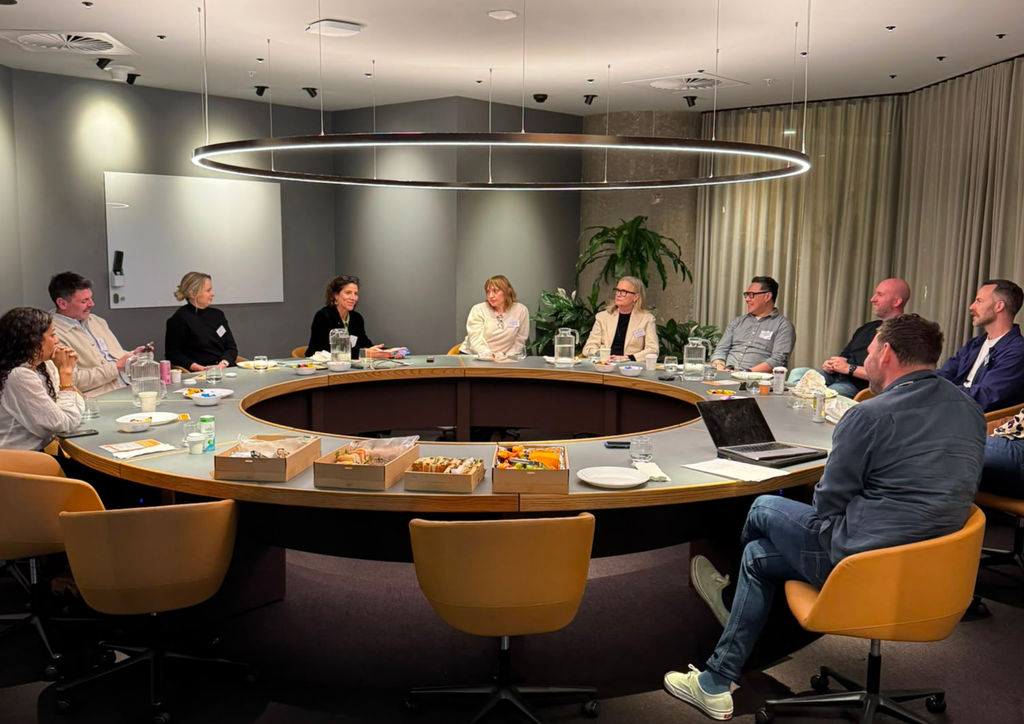
Liam recently brought together a room of senior Design, Research, CX and Product leaders in Melbourne. The themes all point back to a question I hear from Design leaders most weeks: what is the role of a designer when designing is open to everyone?

If you’ve got a design hire coming up, the themes on judgement, technical fluency and junior pathways are worth reading before you write the brief.

Product, Data & Delivery →

He gave an honest answer, and the panel wasn’t impressed. But the problem was the question, not the answer. Katie explains what to ask a Head of Product instead, and what a strong answer sounds like.

Digital Marketing, Social & Analytics →

ADMA asked more than 1,000 Australian marketers about AI. 75% use it every week, but only 29% have been trained to use it. Lilian has one interview question that shows who uses it well, and a strong answer is more specific than you’d expect.

The marketers getting attention now are the ones who can connect acquisition, retention, and commercial outcomes without a team of specialists around them.

Engineering & Technology →

PwC found Australian job ads asking for AI skills doubled in a year, from 20,000 to 41,000. The same report says technical skill alone doesn’t win senior roles anymore, and it matches what engineering leaders tell me when they brief a hire.

About Brightbox Consulting

Brightbox Consulting is a specialist recruitment partner working across AI, Data and Emerging Tech, Product and Delivery, Design and Creative, Digital Marketing, and Engineering. 

We hold a 100% five-star rating on Google and a 100% client return rate. Our clients include Qantas, Telstra, Macquarie, Bupa, Vodafone, and WooliesX, as well as a long list of scale-ups and high-growth businesses across Australia.


Sorry to gloat, but…
We have 100% 5-Star Reviews

Committed to Building Communities

At Brightbox, we are passionate about building communities and bringing people together. Our Roundtables are an opportunity for leaders in Technology, Marketing, Product, and Design to connect, collaborate, and inspire growth.

What’s involved:

  • Expert-Led Discussions: Passionate industry leaders sharing insights on the latest trends and challenges.
  • Collaborative Problem-Solving: Interactive sessions focused on tackling real-world issues together.
  • Networking Opportunities: A chance to connect with peers and expand your professional network.
  • Exclusive Insights: Access to innovative strategies and ideas from top professionals.

To join our next roundtable event, check out our next upcoming event.

Past Round Table Events

Our Leadership Round Table events unite leaders from Design, Product, Marketing, and Technology to share insights, tackle industry challenges, and collaborate on solutions. These intimate gatherings offer a safe space for open dialogue, fostering actionable ideas, fresh perspectives, and a stronger sense of community.

Request a copy of our
2026 Salary Guide

The 2026 Brightbox Salary Guide covers salaries, market trends, what motivates people to move, and what keeps them from leaving across design, product, data, digital marketing, and engineering.

More insights