The interview question was meant for someone two levels down

I’ve been working with a Head of Product who recently moved into a new role. He’s run product teams for years, hired people, set strategy, and asked insightful interview questions.

In the interview, the panel asked him how he prioritises his workload.

He said he works out what needs to happen first. That’s true, but it didn’t land. The person asking was earlier in their career and was hoping for a step-by-step method. Nobody in the room picked up that the interview questions were the problem.

The question was for a different job

A Head of Product doesn’t spend their day planning their own to-do list. They decide which projects get money and people, which ones stop, and what that means for customers and revenue. How you prioritise your workload is a good question for a product manager. It’s the wrong question for the person running the team.

This isn’t about anyone getting it wrong. Nobody had told the panel what a good answer looks like at that level, so they judged him against the wrong one.

Clients want results, not launch lists

I’m seeing this in every Product role we’re working on. Businesses want to see a return on what they spend, so a list of features and a roadmap delivered on time isn’t enough. Clients want to know if the work made money, saved money or kept customers.

It’s most obvious with AI. MIT’s NANDA initiative found most company AI trials weren’t earning back what they cost, even after tens of billions of dollars of spending.

What the best candidates talk about

The best people I’m meeting can tell you the problem they were fixing, how they knew it worked, and what changed for the customer or the business. They don’t lead with what they launched.

Three things to check before your next senior Product hire:

  1. Write your interview questions for the job you’re hiring for, not for the level of the person asking them.
  2. Ask for one result the candidate delivered from start to finish, not a list of launches.
  3. For a Head of Product, ask how they’d split money and people between competing projects. Keep the workload question for junior roles.

Ready to talk about your next Product hire? Get in touch

Top 10 market signals - across design, marketing, product & engineering

1. Fewer jobs, more applicants than ever

SEEK’s latest Employment Report has national job ads down 6.0% on last year, and more applications per ad than it has ever recorded. (Source: SEEK Employment Report)

2. Unemployment has risen to 4.5%

The latest ABS Labour Force figures show 15,800 fewer people in work than the month before. (Source: ABS Labour Force, Australia)

3. More than twice as many companies are hiring senior designers as junior

Figma’s 2026 State of the Designer survey found 56% of companies are hiring senior designers, against 25% hiring junior ones. (Source: Figma, 2026 State of the Designer survey)

4. AI is hitting junior office roles, not overall hiring

Australian recruitment data shows AI is reducing demand for junior and mid-level office roles, while overall hiring holds steady. (Source: Australian Recruitment Market 2026: SIA Data Analysis, The Access Group)

5. Tech leaders plan to hire again

78% of tech leaders plan to add permanent staff in the second half of 2026, up from 61% earlier in the year. (Source: Robert Half, via Full Scale’s 2026 developer hiring trends analysis)

6. Ads for generalist engineers have almost halved

Ads for generalist software engineers are down 49% since their 2022 peak. Senior engineers with AI plus cloud or security skills are being hired in a median of 17 days. (Source: engineering hiring market deep dive, 2026, cadence.withremote.ai)

7. More product jobs, still hard to fill

Product manager job ads were up 14% on the year in May 2026, and companies still say hiring is unusually hard. AI-focused roles now make up 8 to 10% of open PM jobs worldwide. (Sources: Userpilot PM trends 2026, research.com)

8. Design offers are taking longer

A design role now takes a median of 68.5 days to reach an offer, 22% longer than last year. Junior design ads are drawing hundreds of applicants each. (Source: Authentic Jobs 2026 hiring guide)

9. Marketers are hired for thinking first, tools second

Problem-solving and critical thinking now top the list of what employers want in marketers, at 66%, ahead of technical skills. (Source: 3Search Group, “The most in-demand marketing skills for 2026”, UK data)

10. Marketers who use AI well earn more

Marketers who can show they use AI tools well earn 15 to 22% more than those who can’t, across every type of role. (Source: Digital Marketing Salary Guide 2026, digitalapplied.com, US data)

By Liam Pietzka | CEO/Founder, Brightbox Consulting

We’ll be back with more market signals next month. In the meantime, if any of these match what you’re seeing and you’re planning a hire this quarter, book a salary briefing or get in touch with the team.

Jump back into the Brightbox news

Design, Creative & Research →

The AI-enabled T-shaped designer and why designers who flex with project demand are winning right now.

We’ve placed more cross-functional designers in the last six months than I have in the last two years. 

The designers getting the offer aren’t the most specialised in the room. They’re the ones who can move across more of the process without needing someone else to fill the gaps.

Product, Data & Delivery →

Why the PM brief has changed and what companies are actually hiring for. Product hiring is genuinely up, but I’m seeing those same roles sit open for months.

The execution-focused PM is no longer what businesses are paying a premium for. What they want now is someone who can think at a systems level.

Digital Marketing, Social & Analytics →

The full-funnel growth marketer and why channel specialists are under pressure. The platforms have absorbed a big chunk of what used to need a specialist behind a dashboard every day.

The marketers getting attention now are the ones who can connect acquisition, retention, and commercial outcomes without a team of specialists around them.

Engineering & Technology →

Fewer hires, higher bar, and why that’s actually working. The engineering briefs I’m seeing have got shorter. Not because businesses want less, but because they’ve got clearer about what matters.

More leaders would rather wait three months for the right person than hire quickly and manage a mistake for the next 18.

About Brightbox Consulting

Brightbox Consulting is a specialist recruitment partner working across AI, Data and Emerging Tech, Product and Delivery, Design and Creative, Digital Marketing, and Engineering. 

We hold a 100% five-star rating on Google and a 100% client return rate. Our clients include Qantas, Telstra, Macquarie, Bupa, Vodafone, and WooliesX, as well as a long list of scale-ups and high-growth businesses across Australia.


Sorry to gloat, but…
We have 100% 5-Star Reviews

Committed to Building Communities

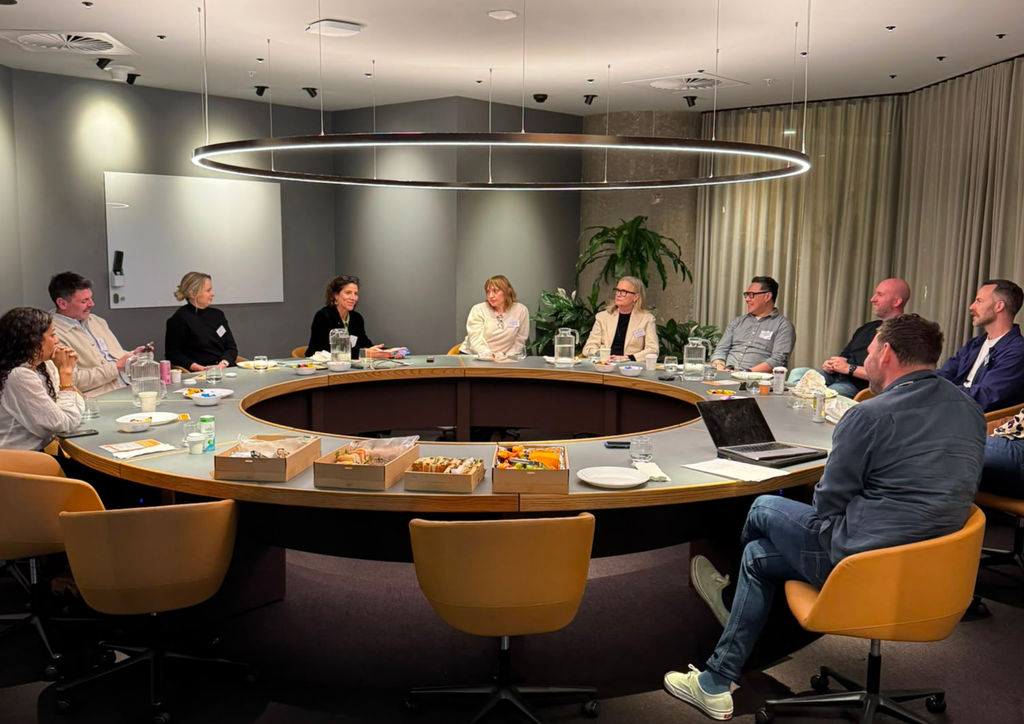
At Brightbox, we are passionate about building communities and bringing people together. Our Roundtables are an opportunity for leaders in Technology, Marketing, Product, and Design to connect, collaborate, and inspire growth.

What’s involved:

  • Expert-Led Discussions: Passionate industry leaders sharing insights on the latest trends and challenges.
  • Collaborative Problem-Solving: Interactive sessions focused on tackling real-world issues together.
  • Networking Opportunities: A chance to connect with peers and expand your professional network.
  • Exclusive Insights: Access to innovative strategies and ideas from top professionals.

To join our next roundtable event, check out our next upcoming event.

Past Round Table Events

Our Leadership Round Table events unite leaders from Design, Product, Marketing, and Technology to share insights, tackle industry challenges, and collaborate on solutions. These intimate gatherings offer a safe space for open dialogue, fostering actionable ideas, fresh perspectives, and a stronger sense of community.

Request a copy of our
2026 Salary Guide

The 2026 Brightbox Salary Guide covers salaries, market trends, what motivates people to move, and what keeps them from leaving across design, product, data, digital marketing, and engineering.

More insights